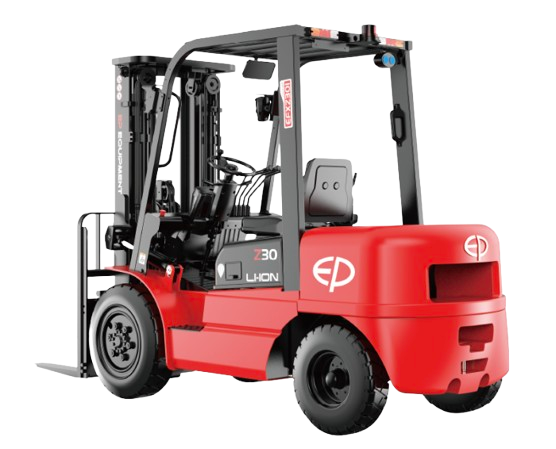
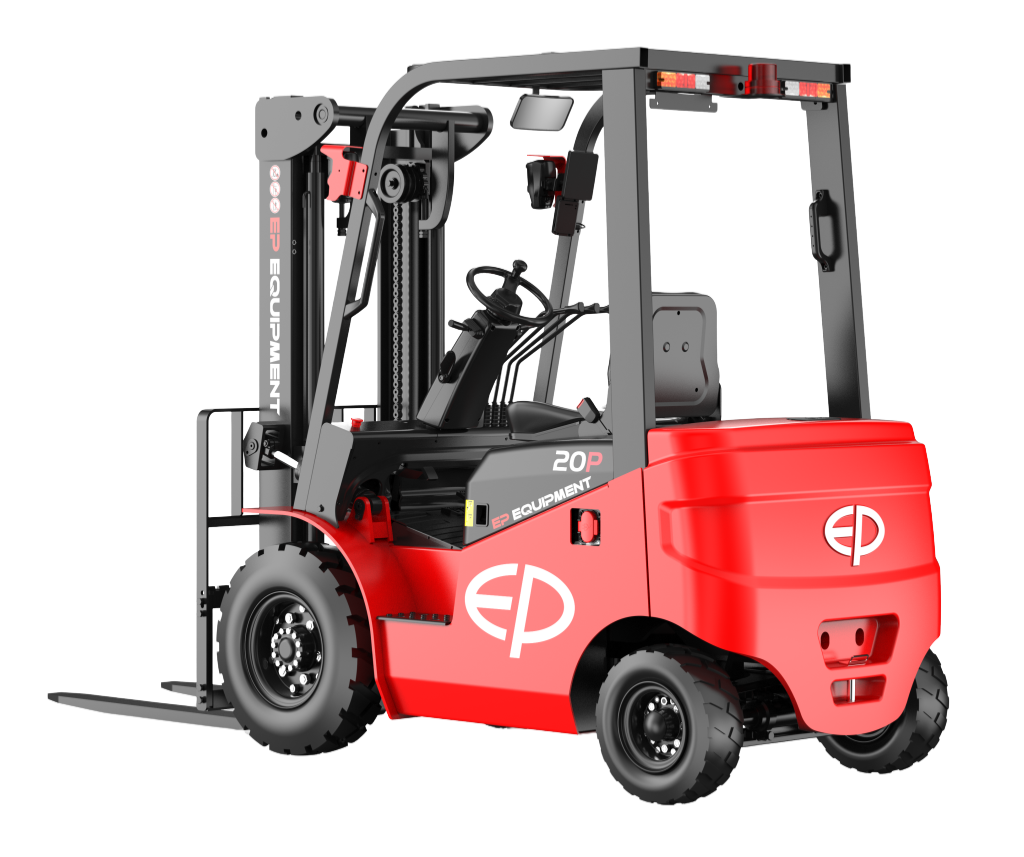
How Electric Forklifts Are Changing the Future of Warehousing: A 2026 Guide

Modern logistics demands speed, efficiency, and sustainability, yet many operations are still hindered by legacy material handling equipment. The core problem statement for today’s warehouse managers and CFOs centres on three critical pain points stemming from Internal Combustion (IC) forklifts: Excessive Operating Costs, Health and Environmental Hazards (emissions), and crippling Warehouse Downtime due to maintenance and refuelling.

IC engine models, powered by diesel or LPG, require constant monitoring of fluid levels, routine engine rebuilds, and dedicated fuel storage, driving up fleet operating costs. Crucially, the mandatory ventilation and battery-swap procedures for older lead-acid electric models introduce operational bottlenecks that severely limit warehouse efficiency. This reliance on outdated technology directly conflicts with the high-throughput, net-zero goals of a future-ready supply chain. The solution lies not just in electric power, but in the advanced battery systems of modern electric forklifts.

1. What: Defining the Shift to Electric Forklifts

1.1: Electric Forklifts vs. The Past (IC Engine Models)

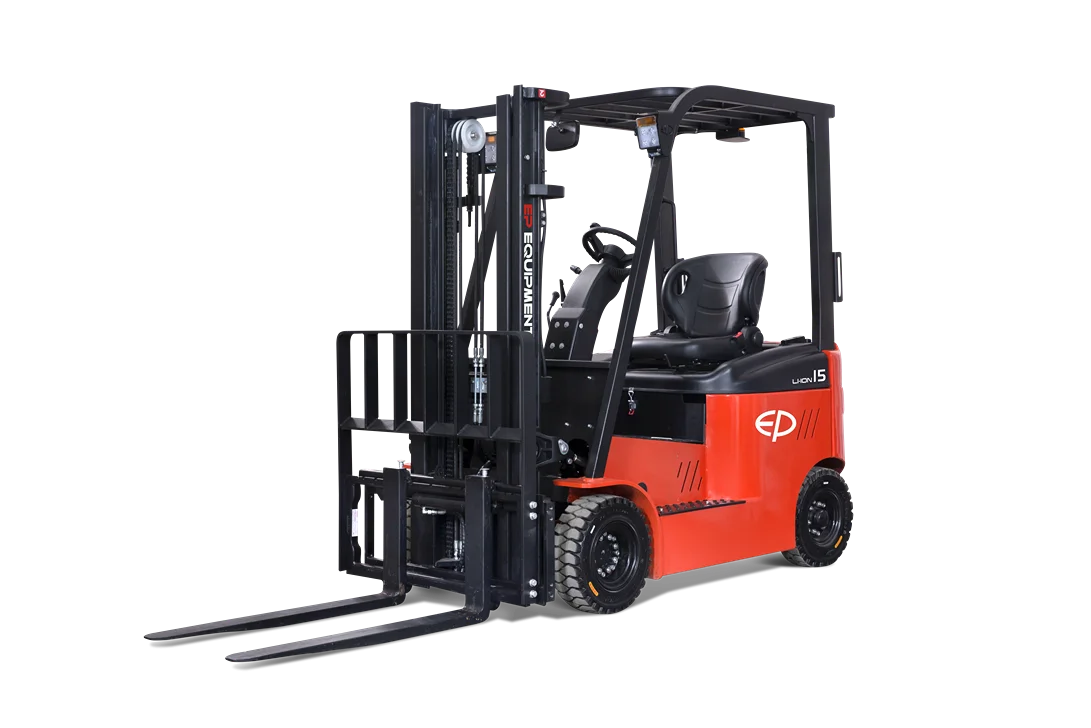
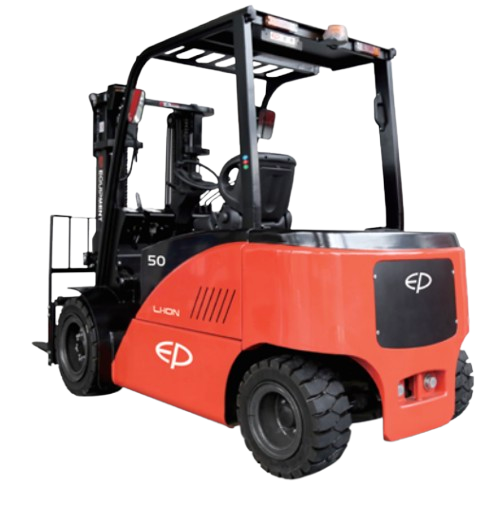
An electric forklift is a piece of material handling equipment (MHE) powered by a rechargeable battery pack, completely replacing the internal combustion engine found in traditional diesel or LPG models. The shift is fundamental: it moves from a fuel-based power system with hundreds of moving parts to an electric motor with vastly simplified mechanics.

Key Distinctions:

FeatureIC (Diesel/LPG) ForkliftModern Electric Forklift
Power SourceFossil Fuel (Liquid/Gas)Rechargeable Battery (Li-Ion/Lead-Acid)
EmissionsHigh CO2, NOx, Particulate MatterZero Direct Emissions at Point of Use
Noise ProfileHigh Decibel Engine NoiseExtremely Low (Whisper Quiet)
MaintenanceHigh: Oil Changes, Filters, Plugs, CoolantLow: Fewer Moving Parts, No Engine Fluids
Energy EfficiencyLow (Significant heat loss)High (90%+ conversion to usable power)


1.2. The Rise of Lithium-Ion Forklift Technology: A Game Changer in Power and Performance

The true revolution in material handling equipment is driven by Lithium-Ion forklift technology. Unlike older electric models that relied on heavy lead-acid batteries requiring careful watering and long recharge/cool-down cycles, Lithium-Ion forklifts are sealed, maintenance-free units. This innovation unlocks crucial operational advantages, including consistent power output throughout the charge cycle and the capability for opportunity charging, a key to 24/7 operations. This change redefines the capacity and runtime of the modern electric forklift.

Filter trucks by category:

In Stock
Flex-E-Hire Available for immediate short-term hire
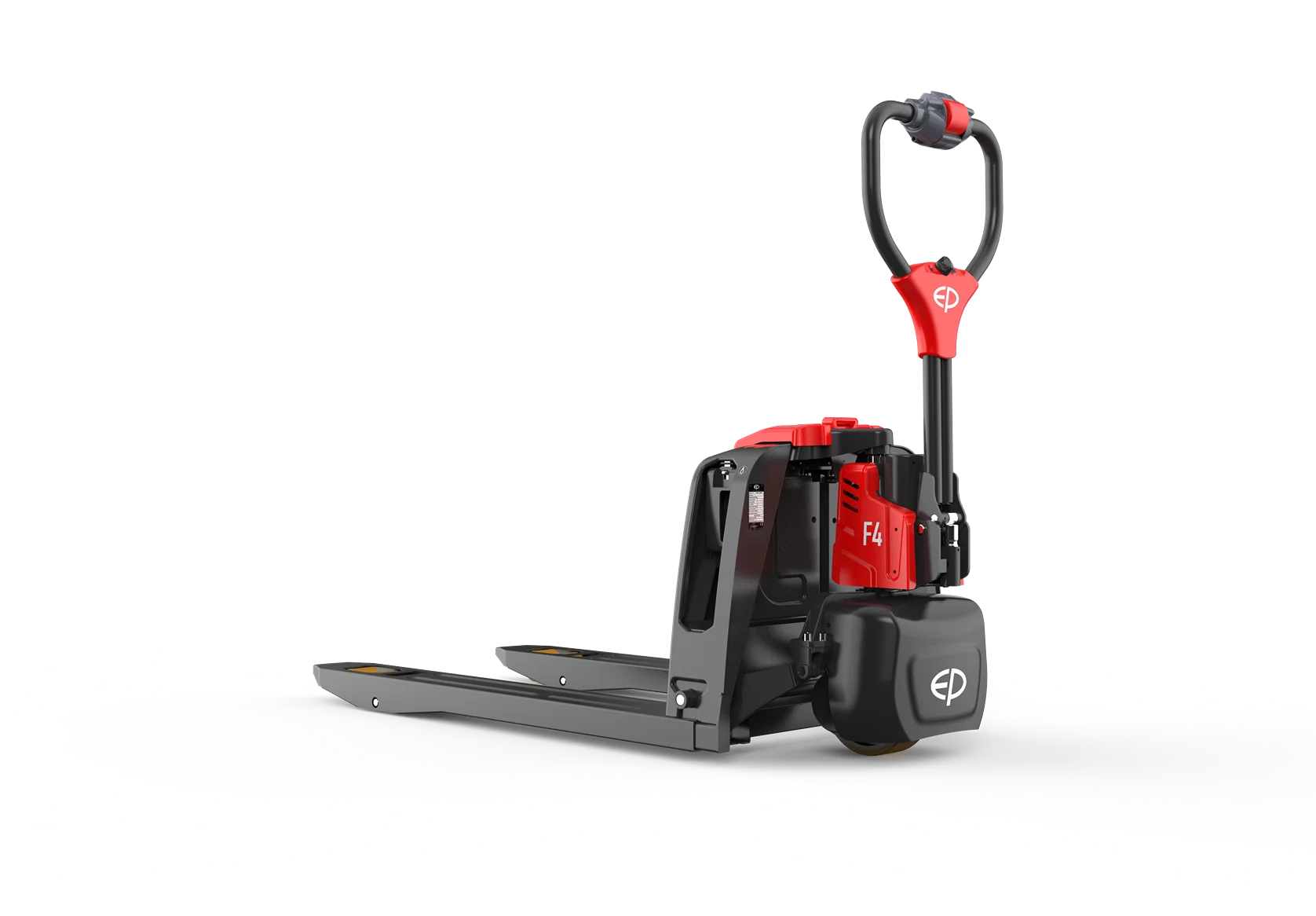
F4 Pallet Truck

F4 Pallet Truck

  • 1.5-ton capacity
  • Up to 2 x 24V/20Ah removable Li-ion batteries
  • Available in different fork lengths and widths
  • Also available for immediate short-term hire.
Get a Quote
In Stock
Flex-E-Hire Available for immediate short-term hire
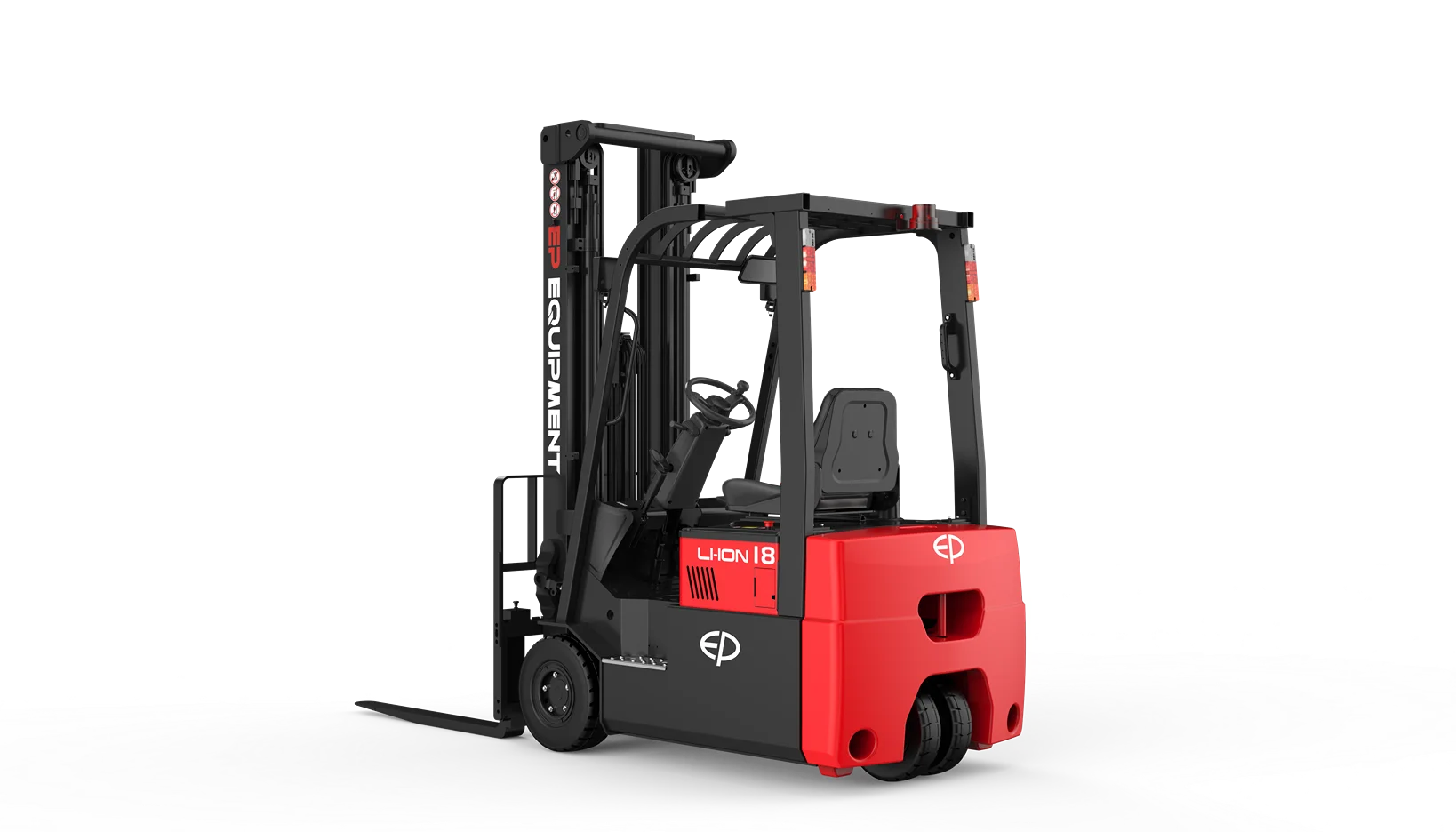
CPD20TVL Forklift

CPD20TVL

  • 2.0-ton capacity
  • Compact 3-wheel design
  • 80V Li-ion battery
  • Ideal for narrow aisles and small spaces
  • Also available for immediate short-term hire.
Get a Quote
In Stock
Flex-E-Hire Available for immediate short-term hire
CPD35L1 Forklift

CPD35L1

  • 3.5-ton capacity
  • 80V Li-ion battery
  • Designed for indoor and outdoor use
  • Spacious operator area
  • Also available for immediate short-term hire.
Get a Quote
In Stock
Flex-E-Hire Available for immediate short-term hire
CPD50L1 Forklift

CPD50L1

  • 5.0-ton capacity
  • 80V/820Ah Li-ion battery
  • Onboard charger
  • Suitable for heavy-duty tasks
  • Also available for immediate short-term hire.
Get a Quote
EFL181 Forklift

EFL181

  • 1.8-ton capacity
  • Integrated charger
  • Maintenance-free Li-ion battery
  • Ideal for tight spaces
  • Economical and reliable choice
Get a Quote
In Stock
Flex-E-Hire Available for immediate short-term hire
EFL252X2 Forklift

EFL252X2

  • 2.5-ton capacity
  • Compact size, Li-ion technology
  • Refitted from diesel design
  • Proven, budget-friendly classic model
  • Also available for immediate short-term hire.
Get a Quote
In Stock
Flex-E-Hire Available for immediate short-term hire
EFL302X4 Forklift

EFL302X4

  • 3.0-ton capacity
  • Full suspension seat
  • Heavy-duty use ready, 80V Li-ion battery
  • Value-oriented classic series
  • Also available for immediate short-term hire.
Get a Quote
In Stock
Flex-E-Hire Available for immediate short-term hire
EFL352 Forklift

EFL352

  • 3.5-ton capacity
  • High ground clearance
  • Opportunity charging, robust design
  • Dependable, cost-effective series
  • Also available for immediate short-term hire.
Get a Quote
EFXZ-301 Articulated Forklift

EFXZ-301

  • 3.0-ton capacity
  • New Li-Ion drive train, repurposed IC forklift chassis
  • In-depth refurbishment, same warranty as all new model
  • Durable truck, reduced carbon footprint
Get a Quote
In Stock
Flex-E-Hire Available for immediate short-term hire
EFL203/253 (P) Forklift

EFL203/EFL253 (P)

  • 2.0 - 2.5 ton capacity
  • Advanced controls and ergonomics
  • 80V Li-ion battery
  • Zero emissions
  • All-weather design, high ground clearance
  • Also available for immediate short-term hire.
Get a Quote
EFL303/353 (P) Forklift

EFL303/EFL353 (P)

  • 3.0 - 3.5 ton capacity
  • Latest generation with superior driver comfort
  • State-of-the-art controls and telematics
  • 80V Li-ion battery
  • Zero emissions
Get a Quote
In Stock
Flex-E-Hire Available for immediate short-term hire
EFL702/1002 Forklift

EFL702/EFL1002

  • 7.0 – 10.0 ton capacity
  • Advanced high-capacity Li-ion battery (80V)
  • Designed for heavy-duty applications
  • Reduced maintenance costs, telematics options
  • Also available for immediate short-term hire.
Get a Quote

2. Why: The Necessity of Electrification for Modern Logistics

2.1. The Cost-Saving Revolution (Benefits): Cutting Fuel Bills by Up to 80% and Reducing Hidden Costs

The primary motivation for the transition is the compelling economic argument presented by the Total Cost of Ownership (TCO). While the initial capital expenditure (CapEx) for a Lithium-Ion forklift may be higher, the operational savings (OpEx) are transformative. Businesses report reducing their energy costs by as much as 80% compared to diesel/LPG.

TCO Savings Breakdown:

  • Fuel/Energy: Electricity is significantly cheaper and more stable than fossil fuels.
  • Maintenance: Eliminating engine-related service (oil changes, filters) cuts labor and parts costs by up to 30%.
  • Downtime: Opportunity charging eliminates time spent swapping batteries or refuelling, dramatically increasing working hours per shift.
  • Lifespan: Lithium-Ion batteries often last 2-4 times longer than lead-acid, reducing replacement CapEx.

2.2. Zero-Emission Warehousing (GEO/AEO Focus): Meeting ESG Goals and Local Air Quality Regulations

The pressure to achieve zero-emission warehousing is intensifying due to both environmental, social, and governance (ESG) investor demands and tightening governmental regulations (GEO/AEO relevance). Operating electric forklifts indoors removes harmful particulate matter, CO2, NOx, and fumes, improving indoor air quality for staff. This transition is not just compliant; it is a vital step toward a certified net-zero supply chain, 

offering a distinct competitive advantage for businesses targeting B2B partnerships with strong ESG mandates. Furthermore, the significantly lower noise levels contribute to improved warehouse safety and worker well-being.

3. How (Step-by-Step Solutions): The Roadmap to Electrifying Your Fleet

The process of forklift fleet electrification requires a measured, three-phase approach, beginning with data analysis and ending with infrastructure deployment.

3.1. Phase 1: Needs Assessment and ROI Calculation

Before purchasing, every manager must perform a detailed analysis of their operational profile to determine the exact power and capacity required.

  • Analyse: Collect telematics data on current equipment usage, including total operating hours per day, lift cycles, and average load weight.
  • Calculate: Use a Total Cost of Ownership (TCO) calculator to project the Lithium-Ion forklift ROI based on projected savings in fuel, labour, and maintenance over 5-7 years. Rule of Thumb: If your fleet runs two or more shifts, Lithium-Ion is nearly always the financially superior choice.
  • Specify: Match truck type (e.g., counterbalanced, reach truck) to the power needed for your specific task, ensuring you do not undersize the battery for high-demand routes.

3.2. Phase 2: Choosing Your Battery Technology: Lead-Acid vs. Lithium-Ion

The choice of battery defines the success of your new electric fleet.

  • Lead-Acid: Suitable for single-shift operations where forklifts can charge overnight (8 hours charge + 8 hours cooling). Requires a dedicated, ventilated battery room and scheduled maintenance (watering). Lower initial cost.
  • Lithium-Ion: Ideal for high-throughput, multi-shift (24/7) operations. It requires zero maintenance, has an integrated Battery Management System (BMS), and accepts opportunity charging, eliminating the need for battery swaps. Higher initial cost, far lower TCO/highest ROI.

3.3. Phase 3: Infrastructure Planning: Setting Up Charging Stations and Power Requirements

The beauty of modern electric forklifts lies in their scalable charging infrastructure.

  • Placement: Locate chargers close to break areas to maximise the efficiency of opportunity charging during natural pauses.
  • Power: Many modern lithium-ion chargers can be plugged directly into existing 16A or 32A industrial sockets, minimising the need for expensive electrical work. High-frequency chargers allow for a full recharge in 1–2 hours.
  • Elimination of Dedicated Rooms: As Lithium-Ion forklifts are sealed units that do not off-gas, the large, ventilated, acid-resistant battery rooms required for lead-acid fleets are no longer necessary. This frees up valuable square footage for additional storage or production, a significant boost to warehouse efficiency.

Lower Running Costs

  • No LPG or Deisel to handle

  • Typical fuel cost reduction of 75-80%

  • No costly engine consumables to replace

  • Fewer moving parts means lower servicing costs

4. When: Timing Your Transition for Maximum Benefit

4.1. Optimal Timing: When to Switch, EOL Replacement vs. Immediate Fleet Upgrade

The traditional approach is End-of-Life (EOL) replacement, but the compelling ROI of electric forklifts now justifies an accelerated upgrade. For fleets with high maintenance costs or those nearing the replacement of an expensive diesel/LPG engine, switching immediately can realise savings faster than waiting for the entire fleet’s natural retirement. A high-utilisation warehouse with 24/7 shifts should view the transition as an immediate strategic necessity.

4.2. The Power of Opportunity Charging (Frequency): Maximising Uptime by Topping Up During Breaks

The key to 24/7 operation with electric forklifts is opportunity charging.

  • When is the best time to charge an electric forklift? The best time is anytime the truck is idle. Unlike lead-acid batteries, which are damaged by frequent, short charges, Lithium-Ion forklifts thrive on it.
  • Frequency: Encourage operators to plug in during lunch breaks (20-30 minutes for a significant boost) and even 5-minute coffee breaks. This constant topping-up eliminates the lengthy, scheduled downtime associated with full charging cycles, maximising electric forklift uptime.

4.3. Downtime Minimisation: The Electric Advantage in Maintenance Schedules

The simplification of maintenance with electric drives directly translates to less maintenance downtime. With over 75% fewer moving parts than an IC engine, an electric forklift requires simple checks of tyres, brakes, and hydraulics, drastically extending the service intervals and keeping trucks on the floor longer. This reliability is a core component of its higher ROI.

5. Where: Context and Applications of Electric Forklifts

5.1. Indoor vs. Outdoor Performance: Are Electric Forklifts Reliable in All Weather?

A common misconception is that electric forklifts are confined to perfect indoor environments. Modern models, particularly those with sealed, water-resistant chassis and Lithium-Ion packs, are fully capable of outdoor operation in most weather conditions.

  • Outdoor: Durable designs handle rain and temperature variations.
  • Indoor: They are essential for controlled environments due to zero emissions, which maintains indoor air quality. This is non-negotiable for food processing, pharmaceuticals, and sensitive electronics manufacturing.
  • Cold Storage Logistics: Lithium-Ion forklifts are perfectly suited for cold storage logistics as they retain their capacity better in low temperatures than lead-acid, and their sealed nature prevents damage from condensation.
About AilsaX

Family run with 30 years in the forklift business.

We are now leading the switch to Lithium-Ion, delivering solutions without the hassle, hype or guesswork.

Trusted by 100s of businesses across Scotland, every truck is fully supported by our manufacturer approved in-house team and powered by EP Equipment, a global leader in Lithium-Ion forklift technology.

Same team. New energy.

5.2. Industry Applications: From Food & Beverage to High-Volume E-commerce DCs

The versatility of electric forklifts has made them the dominant choice across nearly every industrial sector.

  • E-commerce Distribution Centres (DCs): High-volume, 24/7 operations leverage opportunity charging for maximum throughput. Their compact design (especially narrow aisle forklifts) is critical for maximising space in dense racking systems.
  • Food & Beverage: Meets strict hygiene and zero-emission mandates.
  • Manufacturing: Quiet operation and superior manoeuvrability are ideal for production lines and enclosed staging areas.

6. Who: Targeting the Decision-Makers and Key Roles

The decision to adopt electric forklifts is cross-functional, impacting finance, operations, and compliance teams. Targeting the specific concerns of each role is vital for conversion.

6.1. The CFO’s Perspective: Justifying the Capital Expenditure (CapEx)

For the CFO, the focus is on a low-risk, high-return investment. The argument is simple: The higher Capital Expenditure for a Lithium-Ion forklift is offset by massive, guaranteed reductions in Operational Expenditure (OpEx). The superior lifespan of the battery and the elimination of ongoing fuel and heavy maintenance costs guarantee a positive ROI often within 2-3 years, making it a powerful strategic asset.

6.2. The Warehouse Manager’s View: Enhanced Uptime and Operational Efficiency

The Warehouse Manager prioritises uptime and operator performance. Electric forklifts offer:

  • Consistent Power: No power fade as the battery drains, ensuring productivity from the start to the end of a shift.
  • Enhanced Manoeuvrability: Tighter turning radii and precise controls improve safety and speed in busy, narrow aisles.
  • Reduced Friction: Eliminates the logistical headache of managing battery swaps, watering, and refuelling schedules, improving overall warehouse efficiency.

7. The Safety Manager’s Priority: Eliminating Hazards and Boosting Compliance

The transition is a huge win for fleet safety and regulatory compliance. Electric forklifts eliminate the risks associated with:

  • Fuel Storage: No more dangerous diesel or LPG tanks.
  • Toxic Fumes: Zero CO2 or NOx emissions.
  • Noise Pollution: A quieter environment reduces worker fatigue and improves communication, leading to fewer accidents.

8. Who Benefits Most from Electric Forklifts?

Electric forklifts deliver measurable gains across every level of warehouse operations. They improve efficiency, reduce long-term costs, and support sustainability goals that many UK logistics and manufacturing companies now prioritise. Below, we explore how each stakeholder benefits from adopting electric forklift technology.

Warehouse and Operations Managers

For warehouse and operations managers, electric forklifts mean greater reliability and control. Because these machines have fewer moving parts than diesel or LPG trucks, unplanned downtime drops sharply, helping fleets run more consistently. Built-in telematics and smart dashboards give managers live data on energy consumption, battery condition, and truck usage. This information allows tighter scheduling, better KPI tracking, and earlier detection of maintenance needs. Many models also link directly with Warehouse Management Systems, making it easier to monitor routes, load cycles, and driver performance in real time. The result is a more predictable, efficient operation where productivity can rise by 10–20 percent and safety risks decline.

Procurement Teams and Business Owners

Procurement professionals and business owners gain clear financial and strategic advantages. While electric forklifts cost more upfront, they deliver a lower total cost of ownership across their lifespan. Energy is cheaper than fuel, maintenance costs are reduced, and UK companies can often access capital allowances or sustainability grants that reward low-emission equipment. Budget forecasting becomes easier because running costs remain stable year-on-year. Environmentally, switching to electric supports corporate ESG commitments and strengthens eligibility for tenders that now require greener supply chains. Many firms report lifetime operating savings of between 25 and 40 percent once the switch is complete, alongside measurable reductions in their carbon footprint.

Operators and Maintenance Technicians

Operators feel the difference from the first shift. Electric forklifts are quieter, smoother, and cleaner to drive, producing no exhaust fumes or engine vibration. Instant torque gives precise control when manoeuvring in tight spaces, while regenerative braking improves stopping power and reduces wear on brake systems. These improvements make daily work less tiring and safer, particularly during long warehouse shifts. Maintenance technicians also benefit because servicing becomes simpler. With no engine oil, filters, or exhaust components to replace, routine maintenance is faster and less frequent. Battery management systems now automate charge cycles and alert technicians before faults occur, increasing fleet uptime and reducing workshop strain.

Customers and the Wider Supply Chain

Customers and supply chain partners gain assurance that the goods they handle or receive are moved using environmentally responsible methods. Electric forklifts remove local emissions and lower warehouse noise, making operations more suitable for urban logistics centres and indoor storage facilities. In competitive sectors such as food, retail, and healthcare, these improvements directly support quality and hygiene standards. They also strengthen brand perception among buyers who favour suppliers aligned with net-zero goals. Across the UK, many procurement frameworks now give preference to businesses that can demonstrate low-emission handling and transport processes. Using electric forklifts can therefore help companies qualify for more contracts, retain existing clients, and meet future sustainability targets.

Overall Impact

Every stakeholder in the logistics chain benefits. Managers gain operational visibility, business owners secure financial efficiency and compliance, operators enjoy safer conditions, and customers receive cleaner, more dependable service. Together, these outcomes make electric forklifts a central part of the modern warehouse—reliable, cost-effective, and essential to meeting the UK’s drive toward sustainable, data-driven logistics.
9. Telematics and the Intelligent Warehouse

Modern electric forklifts are not just machines; they are data hubs, and this connectivity is the reason that underpins their future-proof nature. Every Lithium-Ion forklift is equipped with a Battery Management System (BMS) and often an integrated Electric Forklift Telematics platform. This system provides real-time data on everything from battery health and state-of-charge to operator habits and collision events.

How Telematics Drives Warehouse Optimisation:

  • Predictive Maintenance: The system alerts managers to potential issues before failure occurs, enabling scheduled repairs and minimising unplanned downtime.
  • Utilisation Rate: Pinpoints underutilised equipment or areas of operational drag, allowing for AI-driven fleet management and resource reallocation.
  • Operator Training: Identifies aggressive driving or impact events, allowing managers to target specific drivers for re-training, which improves fleet safety and reduces damage costs.

10. Final Step: The Future is Electric and Connected

The move towards sustainable logistics is irreversible. To successfully execute an electric forklift conversion, follow these steps:

  1. Audit: Quantify current fleet TCO, including fuel, maintenance, and downtime hours.
  2. Model: Run a comprehensive ROI analysis comparing IC to Lithium-Ion based on your specific usage.
  3. Infrastructure: Identify optimal charging station locations and verify power capacity.
  4. Train: Invest in operator training to fully leverage the benefits of opportunity charging and the advanced controls of the new MHE.

Conclusion

Electric forklifts are not just an alternative power source; they are the cornerstone of the future-ready fleet and intelligent warehousing. They address every major operational challenge, cost, safety, efficiency, and sustainability, making them a strategic imperative for any modern logistics operation. The era of the fossil fuel-powered forklift is rapidly ending, replaced by a cleaner, quieter, and demonstrably more profitable electric solution.

Ready to calculate your savings and accelerate your path to zero-emission warehousing?

Use our exclusive Forklift ROI Calculator today to get a customised, 5-year TCO projection and see how quickly your investment in a modern electric forklift fleet will pay for itself.

In conclusion, the shift to electric forklifts marks a pivotal evolution in the warehousing industry, especially for UK‐based operations striving for higher efficiency, tighter sustainability standards and better cost control. With zero tailpipe emissions, quieter noise profiles and fewer mechanical parts, these machines deliver a cleaner and more comfortable working environment, reduce maintenance demands and lower operational expenses over time. By choosing electric forklifts for hire or sale via www.electric-forklifts.com, businesses can match their fleet strategy to current needs, whether through flexible rental during peak demand or long-term purchase for ongoing operations.

Looking ahead, electric forklifts are more than just a green alternative; they’re a strategic asset. They enable warehouse and operations managers to integrate real-time telematics, embed sustainable practices into supply chains, and support the UK’s net-zero ambitions. This is particularly relevant in urban logistics hubs and high-density distribution environments where noise restrictions, emissions standards and employee well-being are paramount. For procurement teams and business owners, the case is clear: better lifecycle economics, enhanced market positioning and compliance readiness. And for operators and wider supply-chain stakeholders, the benefits ripple outward: safer, quieter workplaces and stronger brand reputation. In short, transitioning to electric forklifts isn’t just a good idea, it’s rapidly becoming essential.